
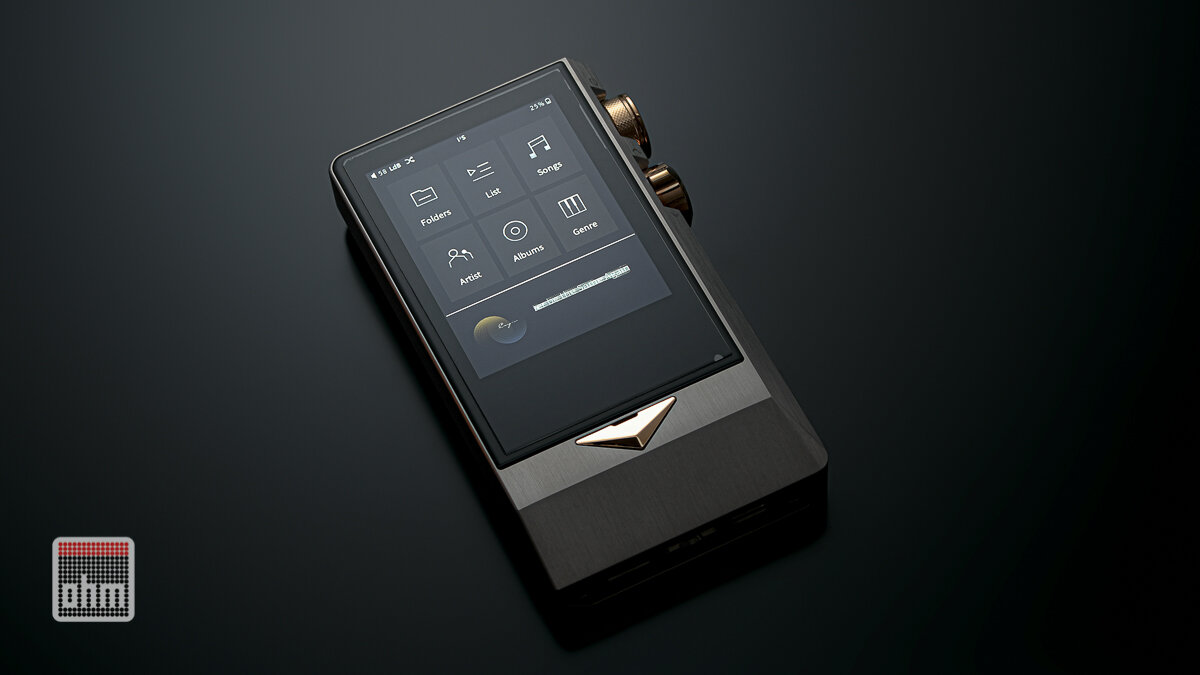
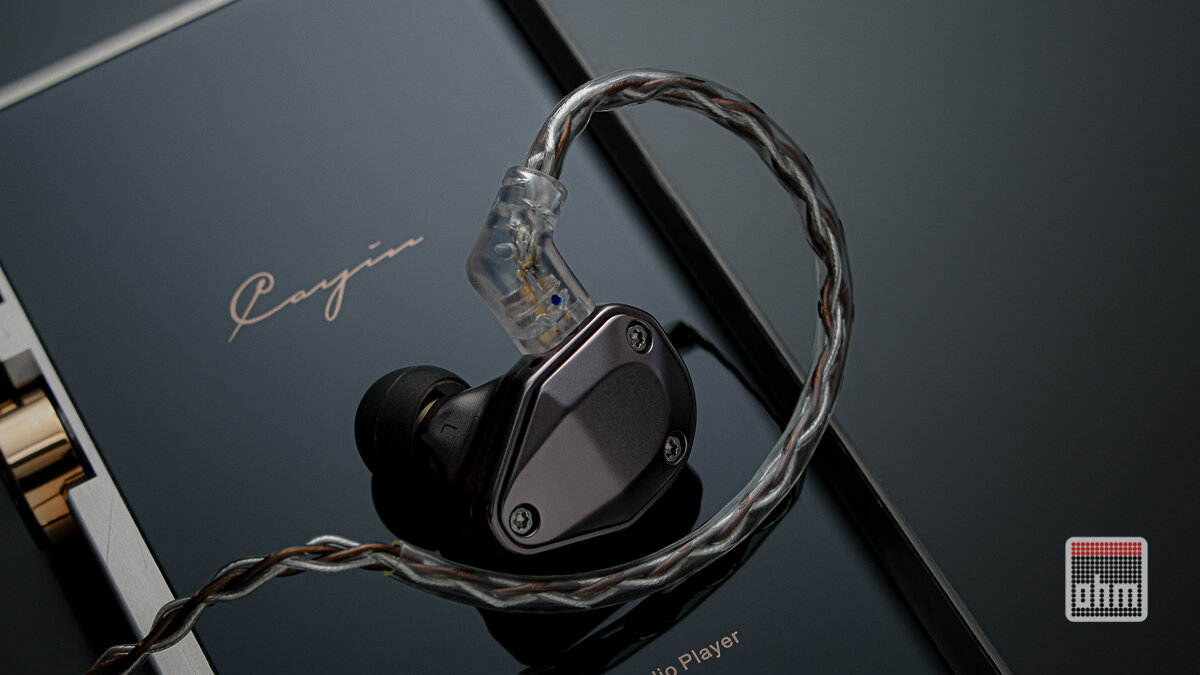
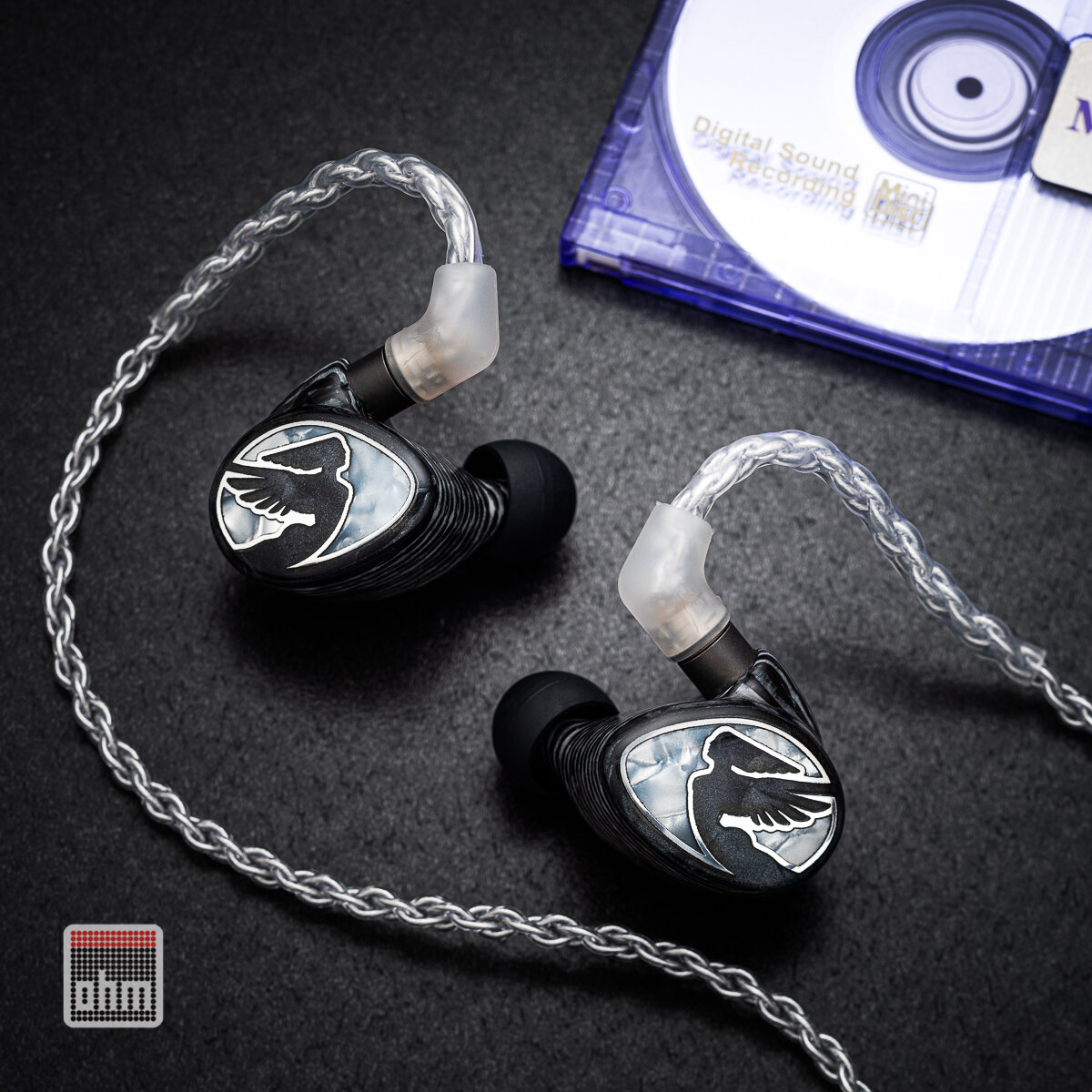

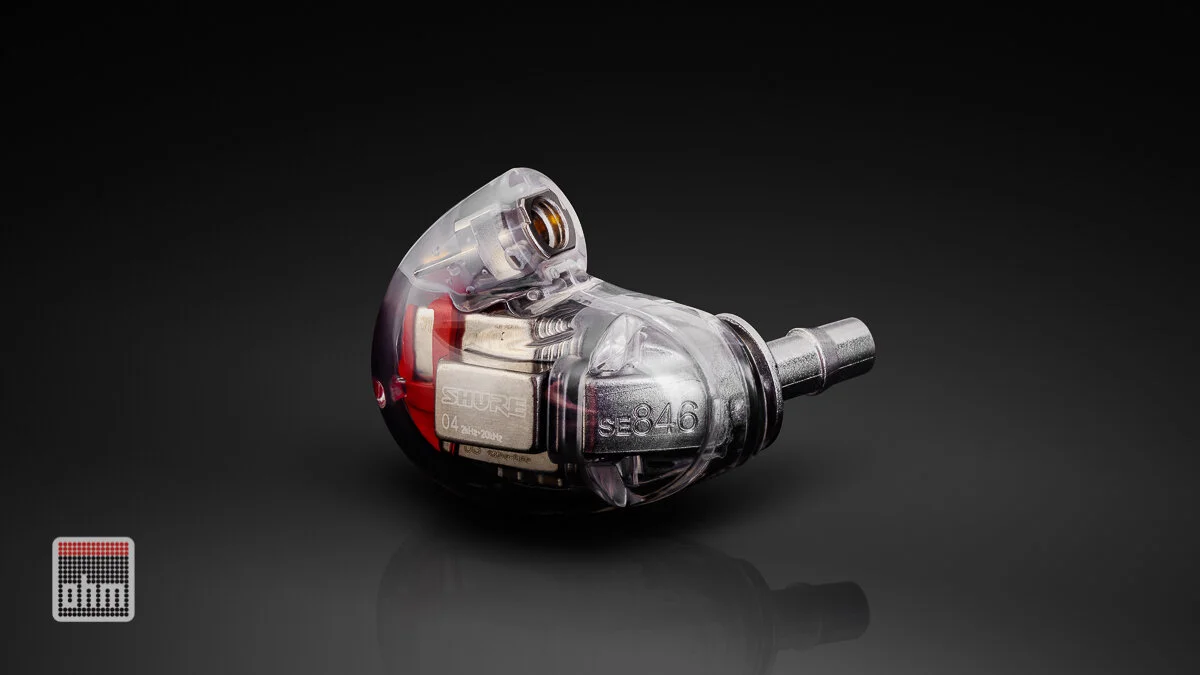


Cayin’s YB04 sports 4 drivers per side, two from Sonion, and 2 from Knowles. It has one of the nicest laid out boxes I’ve seen, a great accessory set, and super comfy ear pieces. It goes for 499$ USD. You can find out all about it here: Cayin YB04 - Discover the Extraordinary .

Disclaimer: Hidizs sent MS1-Rainbow to me for the purposes this review. It goes for 55$ USD. Inside is a 10,2mm dynamic driver. To find out more, hit up Hidizs’s MS-1 Rainbow page.
You already know what I think of the MS-1 Mermaid. Heck, you may remember my opinion of Hidizs’s AP100 DAP- and subsequently may understand why I don’t recommend pitting them together. If you can’t put two and two together, it is because the AP100 hisses way more than the MS-1 likes. Seriously, it basically blows it up. Incidentally, hiss is the main reason I don’t plug recent Hidizs earphones into my favourite Minidisc players and recorders, not to mention a number of DAPs out there.

The Q1 is smaller, cheaper, and, at normal listening levels, it sounds just as good as the M2X. Sure, it lacks the M2X’s rubber port gaskets, balanced output, wifi, Tidal (and on and on and on), but its simplified graphical and physical UI are just what my doctor ordered.

I’ve had the N6MKII since late October last year. In quick succession I tore apart its boxes and took a handful of purdy photos of it. But software problems (my end, not Cayin’s), kept me from doing much testing. (Apologies to both Cayin and to those next in the review queue.) Those issues are long gone.

Disclaimer: I have no affiliation with Sony. I also no longer have the 230 buckeroos or so that went toward the WF1000XM3. Amazon and Sony got them. The WF1000XM3 houses a single 6mm dynamic driver per channel, a pretty advanced noise cancelling engine, and a quality wireless signal. Want to know more? Hit up Sony, here: WF-1000XM3 - Only Music, Nothing Else.
The WF1000XM3 is about as pretty as a car crash. And like a good country collision you’ll find half a bike helmet across its grill. The other half dredges up fuzzy memories of of jawbone BT units from the early 2000s. By the way, back in the jawbone days, a mate of mine hot got hit by a douche jabbering into one behind the wheel. Half a helmet indeed.

To me, the DM7 defined what BGVP (BigVip) can do. But the DMS, both cheaper and cooler looking than its brothers, is my current BigVip favourite. I like its lines, its slim cable, its slim plug, its awesome metalwork, and more. I like it so much that I’m questioning my support for a few key Chi-Fi earphones out there.

BGVP’s DM6 was lotsa good, but not full of everything that Nathan Wright craved. The sort of thing Nathan Wright craved was spacier, had a brighter upper mid range, and bristled with gobs of stereo detail in every frequency band.
What Nathan craved was the DM7. It is fortuitous that, thanks to Begin Audio, he got ahold of one mere weeks after reviewing the DM6. If you want to see my longer-form review, check it out at Headfonics.

I knew nothing about Yinyoo before the D2B4 arrived on my doorstep. Yinyoo are fine Chi-Fi fare. The D2B4’s been in my studio for a month or more and in my ears for a little less than that. It is made well, and it sounds damn good.
Relevant links:
OHMAGE TO THE HIDIZS MS1 AND MS4
OHMAGE TO THE CAMPFIRE AUDIO ATLAS


The only other manual focus 50mm or equivalent lens I like more than the Meike 35mm f/0,95 is the Zeiss Planar 50mm 1,4. And what I like more about the Zeiss is its superior ergonomics, haptics, and build quality, none of which is a strike against the Meike, certainly not at its price.

For more photos and perhaps even less nuance, hit up the video below. The text behind this review and the video is the same (or as close to the same as I could manage).

Let’s clear the air: I’ve never before used a fisheye lens. In fact, so lost and daunted was I by the prospect of using one that time and time again I delayed publishing this review. Prior to it arriving I boned up on how to shoot a fisheye lens. Hints came from the general internet as well as from the comments section of Fauxtaku Lounge. I’m still not confident that the examples I shot really get the picture across, but I hope I’ve learned a thing or two and that this review will help someone. Thanks to everyone for the advice and help.

Since 2015 I have used Leica M cameras for event work. ‘Event work’, as in a professional fashion. ‘In a professional fashion’ as in paid Embassy powwows, corporate conferences, family photography, proms, dances, university reunions, and so on, in and around Tokyo. Prior to that, I used a pair of Nikon dSLRs.

Yes, what you see above lacks saturation, contrast, dynamic range, and is soft at near the front of the lens. I didn’t tilt the Cambo ACTUS GFX far enough forward. You see, I had intended just to take a few test shots, after which I’d cull the bad ones, save the profiles and shoot proper ones tomorrow, where focus, file quality, WB and more would be carefully set. But then family matters erupted.

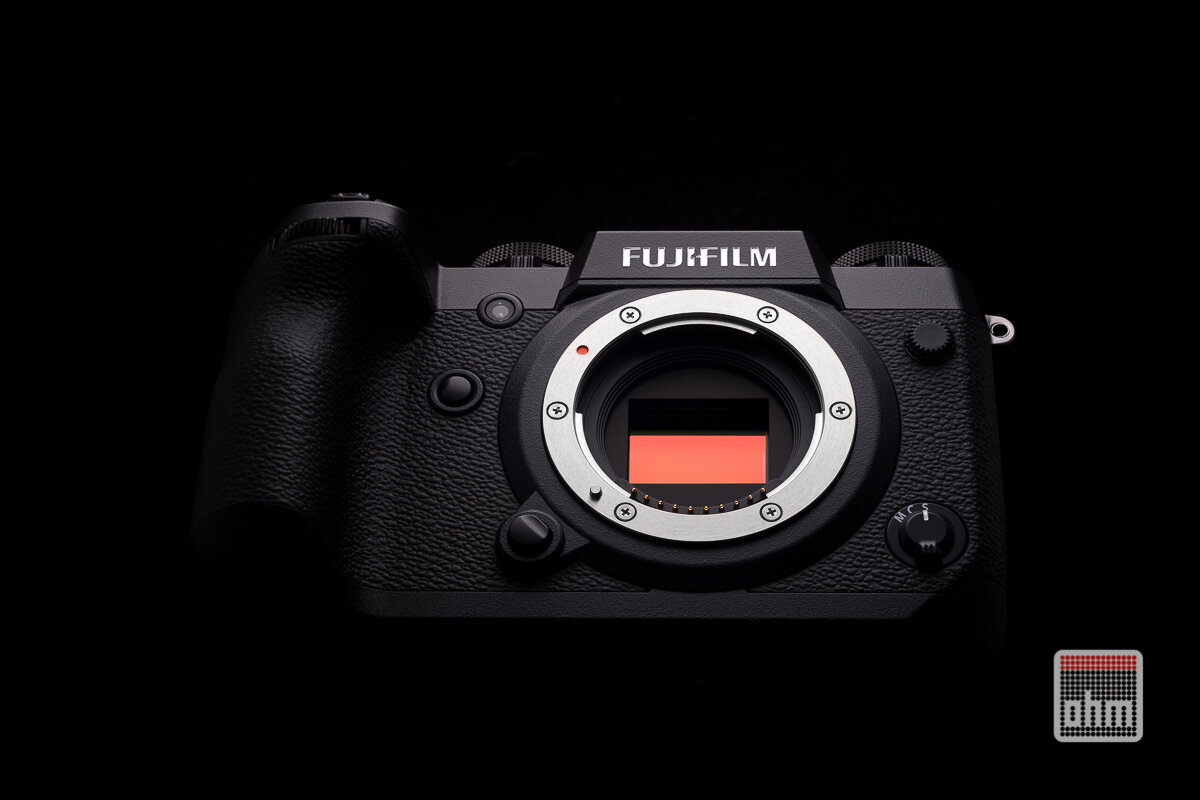
The X-H1 was a great idea and it should have been another great Fujifilm camera. It carried forward Fujifilm’s incredible JPEG engine, colour, and processing. It gained a useful top-plate screen, in-body stabilisation, and a grip. It should have been an epochal product which drew closer the divided camps of mirrorless and DSLR cameras. Unfortunately, its design misses are many, and large, and ultimately it was eclipsed in the action/sports arena by Fujifilm’s X-T3.
Relevant links:
ENTER: FUJIFILM X-H1
INSTANT OHMAGE - LEICA SL'S HAPTIC MIRACLE
FUJIFILM GFX-50S - VERSATILE PROFILE
Fujifilm X H1 VS Leica SL Part 1 - basic handling
Fujifilm X-H1 VS Leica SL Part 2 - gloves

Whilst penning a review of my favourite semi wide-angle medium format lens, I realised that I’d not updated my experience with Yongnuo’s 60mm F/2 Macro EF lens. The short of it is that in a few areas: contrast, sharpness, colour aberrations, and general mechanics among them, it is good. But its misses are big; one in particular is a show stopper.

These photos were taken at Yumoto Kobayashi with a Leica M10.
My first commercial photography paycheque came from taking snap shots of sake. My last photography paycheque came from stuff eaten whilst sipping sake. Something good in the tummy is transient, but a good stuffing isn't soon forgotten.

Last week I published the first part of my Fujifilm X-H1 VS Leica SL review, but forgot to publish it to ohm. PT is devoted to basic handling and my amateur speaking/editing skills. This series will focus on basics of haptics and handling; other channels will cover things typically on the minds of camera nerds.
Many thanks for watching.

Got scammed for 750$ from a little Ohio American. And now my iPad Pro smart keyboard breaks. Can't trust the little guy; can't trust the big guy. Yikes.

Four years ago I purchased a Quad Lock case for my iPhone 6. From day one the thing blew my mind. Its TPU chassis fastened to my bike, to my tripod, and with the right accessories, to cars and arms, as securely as a bayonet lens to a camera. I abused it both on and off road. It was wonderful. Now and again I trumpet support of Quad Lock.

At Toy 'R Us a few days ago, my wife and I spotted the above beauty. I had no idea it was back in stock. After picking it up, we jammed it into our TV's USB port, and in short order developed thumb calluses the likes of which neither of us have seen since age twelve.

And this is the Christmas present my wife got for me. It's awesome. Here's my amateur attempt at filming its build from start to finish.
Want it? Hit up Lego: LEGO CREATOR - Mini Cooper

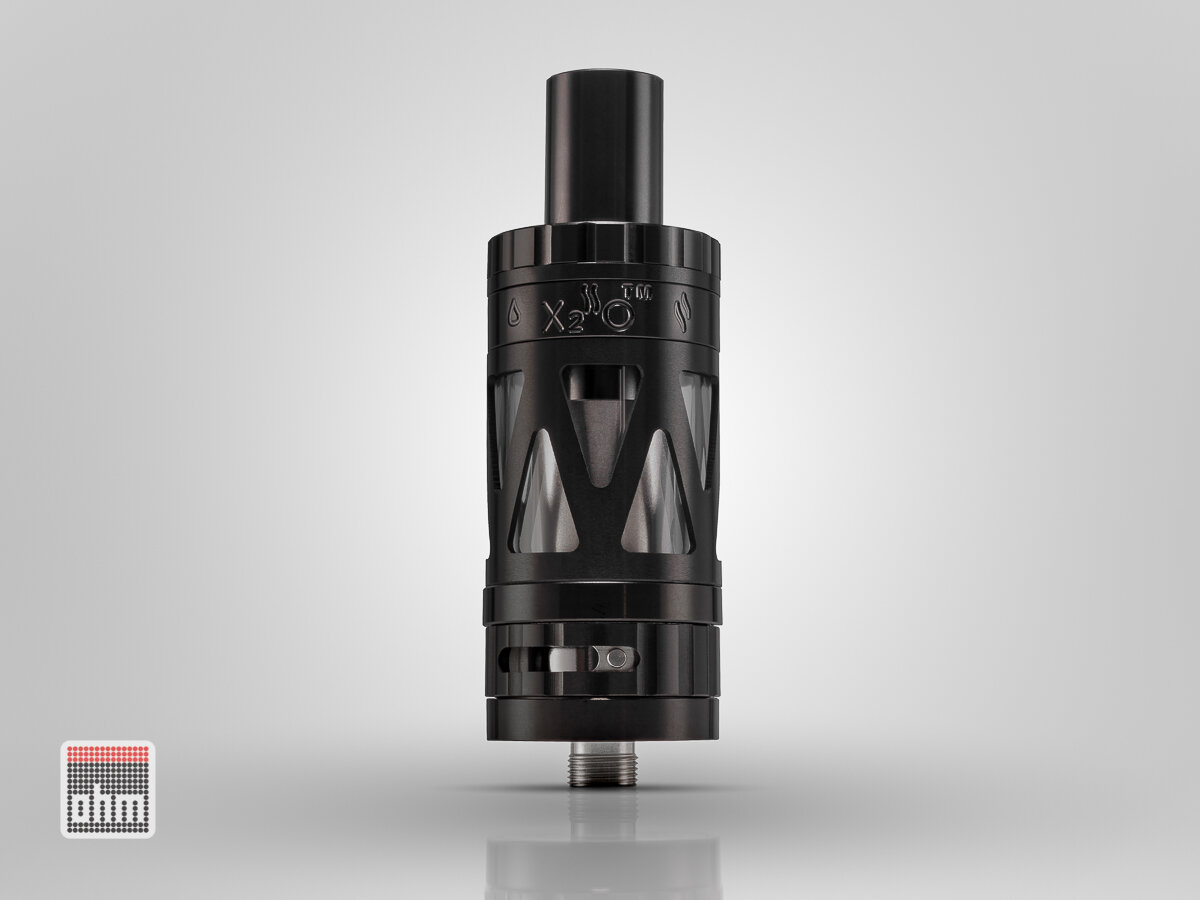
In 2015 I toyed with vaping. Today I vape almost daily. My latest kit is the above Gang Mod from Vape Japan. The tank is a sub-ohm top-filling atomiser from X20. It is simple. And, it looks great in photos.


LEGO nailed it. There's no way to look at this one and see anything but Leia's famous Blockade Runner. Except that better minds call it the Tantive IV. Right or wrong though my assumptions about its nomenclature may be, this is an awesome piece. Awesome.

I thought the Venator-class Star Destroyer was an A-Wing. Jay's Brick Blog thought this one was. When are we going to get an A-Wing? If you've played X-Wing, you know: that thing is fast, manoeuvrable, and gosh... I want one.

My wife calls it cute. I consider it one of Lucas's most egregious 'comedic' additions. On the plus side, the one above is suicidal. Jay's Brick Blog is more sanguine about the droids, but thinks they look goofy.

The droid gunship looks like an antlion. It's a cool piece, but it's ugly as sin, and is more Episode III than I can or want to handle. LEGO could have chosen something more from Hoth or from Jedi - anything but from Revenge of the Sith.

If you were Jonesing for an MZ-R55, stop and think. Apart from being a bit smaller, what has the R55 ever done for you? Dedicated line out? Okay, but apart from that, what has it done for you? Phenomenal remote? Right, but apart from that and dedicated line out, what has the R55 done for you? Honestly we could go on and on and on; and sadly, the F80/75 get sort of lost in the mix.

Disclaimer: Disclaimer: Shanling sent the Q1 to me for a review at Headfonics. That you can read here: Shaling Q1 review. I also reviewed it here at ohm. Check that here. I paid nothing for it and have enjoyed it immensely. It is a pre-production unit in special reviewer purple. Production versions look different. They also come in boxes. Check out the Q1 Kickstarter page for more information.

My first Cayin was the C5 amp. It did its job well, debuting unique branding, and sound. As far as performance goes, it was good, but not great and is a far cry from Cayin’s latest and greatest. The N6ii looks much better than the N6. And, while more difficult to use, its operating system is handsomer to the same degree.

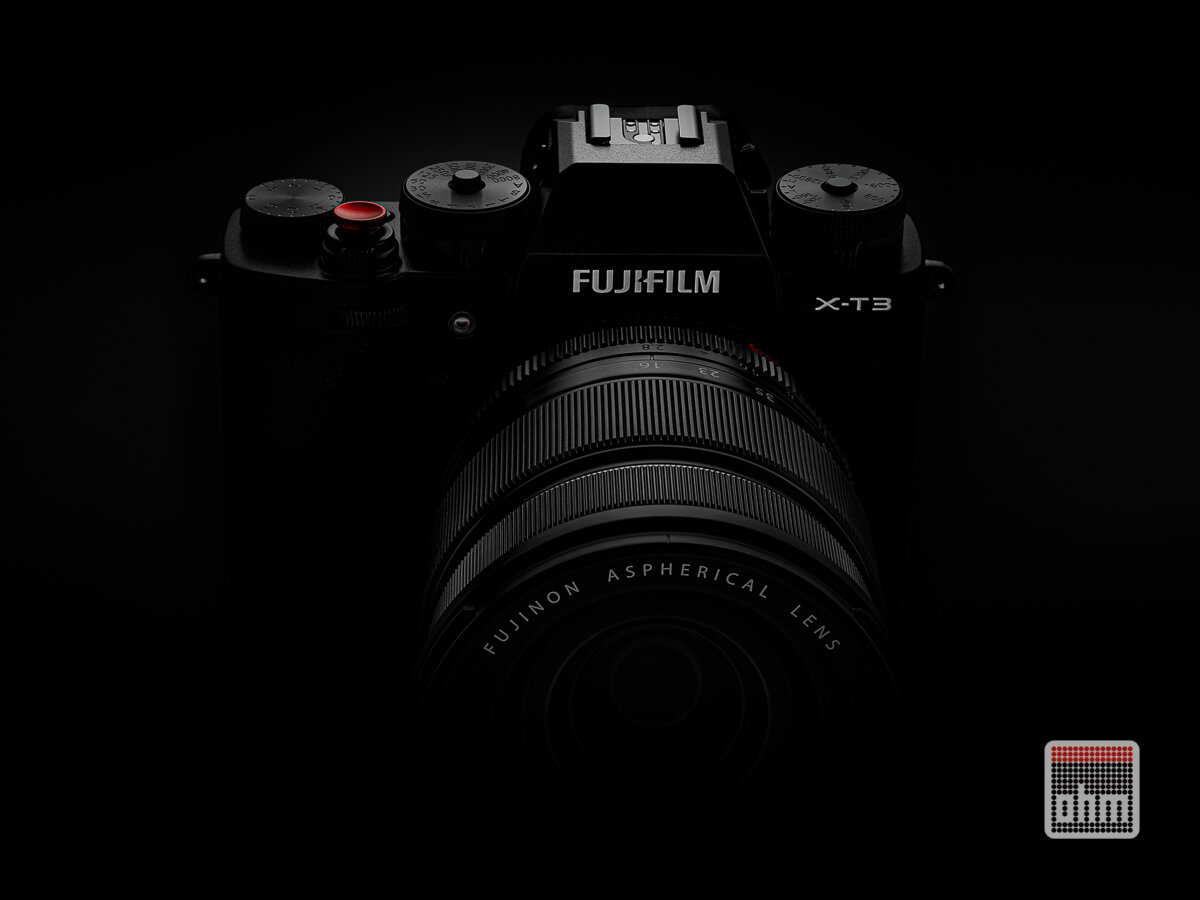
The X-T3 is a hardy camera whose quirky hardware interface - tangled with myriad UI inconsistencies - is glued to hella responsive AF and general operation. It’s a lovely machine whose whizz-pop internal computers chirp and chirp under a handsome fascia. It’s also known as a movie camera and bristles with necessary features. One of these is what has been rumoured to be a damn good microphone and headphone pre-amp and amps. I say rumoured because there’s not a lot of concrete information out there.

Disclaimer: I bought this sucker from Yahoo! Auctions a couple of years ago. It is a pretty player/recorder whose straightforward physical UI is both to die for and to die from. You can find out all about it at Minidisc.org’s dedicated Aiwa AM-F70 page.
My first MD recorder, a Sharp MD-MT15, broke forty eight hours after I purchased it from Vetlanda’s ON/OFF. (If you like Sharp, get used to it.) Promptly I replaced it with a Sony MZ-R37, which at the time I despised for not being a different, more expensive recorder.

Disclaimer: This bad boy is from Amazon.jp. The MD-DR7 was Sharp’s first 1-Bit branded MD portable recorder. It was also the first mass-marketed portable audio product with a true balanced headphone output. Eat your heart out, Astell & Kern, HiFiman, and the like. The DR7 uses the same TRRS pinout as a modern Astell & Kern, but in 3,5mm rather than 2,5mm form. So, if you have a pair of AK-compatible balanced headphones, all you need is a step up (2,5mm - 3,5mm) adapter and you’re gold. The DR7 has a low noise floor, high DR, and for its time, a powerful headphone amp. If you’re interested, check out Minidisc.org’s page on it: Sharp MD-DR7.
From late 2002 until around 2004 headlines among the MD faithful were awash with an age-old war. The perennial battle between Sony and Sharp over ATRAC and dominance over the minidisc scene was in its final heat (as was the format). In a gambit to remain relevant, Sharp and Sony lead insane marketing campaigns which promised the world from their respective flagship MD products. If you were in the Sharp camp, Sony sounded bad. If you were in the Sony camp, Sharp sounded bad. But gosh, how wrong one camp was.

Sony’s last-gen TOTL MD player is a beaut. Its magnesium, scored, matte, and slim case, is understated in the way only high-end products can be. It gets good battery life (through a crazy $$$ battery), boasts six equaliser settings - two of which are user definable along six frequency bands - and four stereo hacks that affect staging and placement. It hisses as little as a modern Hi-Res DAP, and carves an impressive stereo image. By any objective measure I have at my hands, it is the best-sounding unit out there, Hi-MD or no.

What I love about the MZ-DH10P is that, regarding audio performance, it apes most Sony Hi-MD players/recorders. Benefits abound: low hiss, low THD, high SNR, DR and the rest. Sure, stereo separation falls rapidly under load, but which MD unit has ever provided anything much beyond 11bit (66dB) of separation? The DH10P has a good sound enhancement engine, and the music comes through loud and clear. Sadly, Sony baked in a huge bass boost, forestalling a truly neutral signal. Worse, and like the MZ-NH1, the DH10P is incapable of spitting a stable signal from its output without hoisting some a load of some sort. So, if you want the best sound possible from your 2,1 system when fed by a DH10P-linked line, you’ll have to plug in a load of some sort in parallel to keep down the nasties. Also, jitter is pretty high.

In my latest YouTube video, I fawned all over Cowon’s Plenue D2 and I’m miffed. Miffed that, loaded or unloaded, the 2400$ SPM1000M shows a sizeable step back from Cowon’s little engine. And, in several categories (mainly loaded), the SPM1000M is worse than its older, bleeding-edge, sibling, the AK380. Sure, we’re splitting hairs- atoms even. Dynamic range differences between 110dB and 120, let alone 117dB and 121dB, are minuscule on a test bench, and positively homeopathic at the ear. And if you’re listening to music louder than 100dB, you’ll not be listening to anything for long. I doubt anyone even listens to sensitive earphones at iPhone maximum volumes. But if you do, note that matched to that output level, the SPM1000M certainly tests better than an iPhone SE, but apart from stereo crosstalk, not by leaps and bounds. And it hisses more.

For three years I have both recommended and castigated Cowon’s original Plenue D. It has great battery life. It is small. It is robust. It plays loads of files. But its interface, abstruse from day one, got worse. And, through sensitive earphones, it hissed a lot more than most of the competition; in fact, it hissed more than some late-model Minidisk players and recorders. It held signal well under load, but lost quite a bit of stereo separation under loads both meagre and highly resistive. My mate, Ryuzoh, offered to mod mine. I can’t tell if it sounds better, and neither can he, but my unit is super unique. And it’s one I’ve kept because the plusses I mentioned above really bowled me over.
My daughter in fuzzy pyjamas and her grandma in cranky-teacher glasses are beating up some kanji homework. They are laughing and chatting at girl levels of loud- not that I’d know: my boy and wife have had to slap my shoulder to grab my attention away from Tycho’s 2014 album, Awake. While a caveat exists, when I get a good fit, I barely hear anything outside of my music. There may not be another HiFi headphone that does as much to pull me out of my surroundings as the FT13 does.